
The Fight to Protect the Buffalo River A Legacy of the Wild & Scenic Rivers Act
JOURNAL
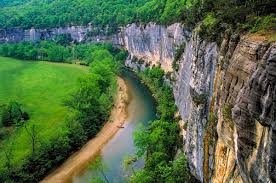
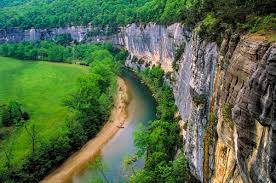
The Importance of the Buffalo River and the Ozarks
The Buffalo River, along with its tributaries nestled in the Ozark Mountains, represents a vital ecological and cultural treasure. This region is renowned for its exceptional biodiversity, housing numerous species of flora and fauna that are crucial to the health of the ecosystem. The presence of the Buffalo River not only supports a variety of wildlife but also serves as a critical habitat for species that are otherwise rare or threatened. The river's clear waters and surrounding green landscapes contribute to the area's natural beauty, enhancing its ecological significance.
Beyond its ecological importance, the Buffalo River holds historical and cultural value for the communities adjoining its banks. For centuries, indigenous populations have utilized these waterways for sustenance, commerce, and cultural practices. This historical connection fosters a deeper appreciation among local communities for the river, emphasizing its role as more than just a natural resource but as a vital entity intertwined with their heritage. The river continues to symbolize a connection to the past while serving present-day recreational needs.
Recreationally, the Buffalo River and the surrounding Ozarks provide myriad opportunities for outdoor activities. Canoeing, fishing, and hiking are just a few of the numerous activities that attract visitors and locals alike to this stunning region. The availability of these activities not only promotes physical health but also encourages a sense of community and adventure among participants. The scenic trails that meander alongside the river offer a perfect backdrop for nature enthusiasts and casual hikers, further establishing the Buffalo River as a hub for tourism and environmental stewardship.
Ultimately, the Buffalo River is a testament to the need for conservation and protection, not just for its ecological wealth but for the unique historical and recreational experiences it offers. The intertwining of these elements underscores the critical nature of preserving the Buffalo River and its surrounding environment for future generations.
The Origins of the Wild & Scenic Rivers Act
The establishment of the Wild & Scenic Rivers Act in 1968 marked a significant turning point in the United States' approach to environmental conservation and protection of natural landscapes. The drive for this crucial legislation stemmed from a growing recognition among environmentalists, local communities, and concerned citizens of the threats posed by unchecked development and pollution to America's rivers, including iconic waterways such as the Buffalo River.
Throughout the 1960s, there was an increasing awareness of the degradation of these vital ecosystems. Activists, propelled by a rising environmental consciousness, began mobilizing grassroots movements to advocate for legislative protections against the encroachment of dams, industrialization, and urban sprawl. Local communities, who depended on the rivers for recreation and sustenance, joined these efforts, bringing forward voices that emphasized the need to preserve the natural beauty and integrity of these waterways.
A pivotal figure in this movement was Tim Palmer, whose influential writings, especially his book "The Wild & Scenic Rivers Act: A Legacy of Protection," significantly raised public awareness of the need for federal legislation. Palmer's work highlighted the importance of rivers in American culture and ecology and underscored the potential consequences of neglecting their protection. His compelling narratives galvanized support and provided a framework for understanding the critical need to safeguard river systems.
Despite fierce opposition from industries that sought to exploit river resources, activists faced these challenges with resilience and innovation. Campaigning through demonstrations, outreach initiatives, and lobbying efforts, they succeeded in capturing the imagination of a nation concerned about the environment, ultimately leading to the passage of the Wild & Scenic Rivers Act. This historic legislation set a precedent for the protection of numerous rivers, ensuring that future generations could enjoy the pristine waters and landscapes that characterized the American wilderness, including the Buffalo River itself.
The Designation Process and Current Status of Rivers in Arkansas
The designation of rivers as Wild & Scenic is a meticulous process governed by a set of criteria established under the Wild & Scenic Rivers Act of 1968. This legislation aims to preserve certain rivers for their outstanding natural, cultural, and recreational values. To qualify, a river must demonstrate remarkable scenic or recreational attributes, and its surroundings must remain largely undeveloped, embodying a cohesive essence of the untouched natural landscape.
The initial step in the designation process involves local support and detailed studies that assess the river's ecological and cultural significance. Following these assessments, a recommendation is made, and the matter proceeds through the regulatory framework of federal and state agencies. Oftentimes, public input and advocacy play crucial roles in garnering the necessary backing for designation. The designation can be a lengthy endeavor, reflecting the complexities of navigating administrative systems and community interests.
In Arkansas, the current status of rivers designated as Wild & Scenic is particularly telling of the larger landscape of river conservation efforts within the state. While Arkansas boasts an extensive array of rivers extending over 27,000 miles, only a fraction has been designated for protection under the Wild & Scenic Rivers Act. Presently, just a few select rivers such as the Buffalo River and a portion of the Current River hold this designation, underscoring a significant disparity between the vast river systems available and those that have received the important federal protection.
This limited amount of designated river miles in Arkansas highlights an ongoing need for advocacy and preservation efforts. Engaging local communities and stakeholders is essential to raise awareness regarding the ecological importance of these waterways. Additionally, fostering a dialogue about the need for further protection can inspire future designation initiatives, ultimately leading to a more comprehensive preservation network for Arkansas's rivers.
Future Challenges and the Path Forward for River Conservation
The Buffalo River, while protected under the Wild and Scenic Rivers Act, faces a variety of future challenges that threaten its ecological integrity and the vitality of the surrounding environment. Climate change stands out as a significant concern, leading to shifts in weather patterns, increased flooding, and alterations in local ecosystems. These changes can disrupt the natural flow and quality of the water, which are crucial for the diverse flora and fauna that depend on the river.
In addition to climate change, increasing development in the Ozarks poses a further threat. Urban expansion and agricultural practices often lead to habitat destruction and the introduction of pollutants into the waterways. As more land is cleared for development, the natural filtration systems provided by wetlands and forests are diminished, resulting in compromised water quality. To counteract these issues, conservation strategies must be thoughtfully considered and implemented.
Community involvement plays a pivotal role in river conservation efforts. Engaging local residents and stakeholders can foster a sense of ownership and stewardship over the Buffalo River and other significant waterways in the region. Educational initiatives, such as workshops and public meetings, can inform the community about the importance of preserving these resources, instilling a collective responsibility to protect them.
Moreover, supporting local organizations and initiatives dedicated to river conservation is essential. Whether through volunteering, financial contributions, or participating in advocacy efforts, individuals can make a tangible difference in ensuring that the Buffalo River remains protected for future generations. As the challenges evolve, so too must the strategies employed to confront them, making it imperative for every person to contribute to the preservation of these vital natural resources.