
Florida's Iguanas Will Be ‘Fainting’ Again A Seasonal Phenomenon
JOURNAL
Understanding Iguanas: Cold-Blooded Reptiles
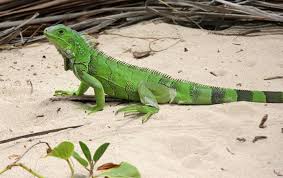
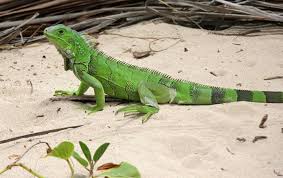
Iguanas are fascinating creatures, classified as reptiles and known for their distinct biological characteristics. One of their most significant traits is their ectothermic nature, commonly referred to as being cold-blooded. Unlike mammals, iguanas do not internally regulate their body temperature; instead, they rely on external environmental factors to maintain an optimal temperature range. This reliance on external warmth is crucial for their metabolic processes, movement, and overall activity levels.
As ectotherms, iguanas thrive in warmer climates, where they can effectively bask in the sun to elevate their body temperature. Sunlight serves as a vital source of heat, which is essential for their digestion and energy expenditure. When the temperature drops, iguanas become lethargic, as their metabolism slows significantly. This response can lead to a fascinating phenomenon where they 'faint' or become immobilized during exceptionally cold weather. Such reactions are not signs of distress, but rather a survival mechanism to conserve energy when the environment becomes inhospitable.
The dependence of iguanas on warmth and sunlight means that they are particularly sensitive to changes in weather patterns. When temperatures plunge, their ability to thermoregulate becomes impaired, leading to a decreased heart rate and a state of near torpidity. These changes in behavior are critical for their survival in climates that can fluctuate dramatically. For instance, during a cold snap in Florida, iguanas may be seen falling from trees as they lose muscular control. Such occurrences highlight the interplay between an iguana's physiology and its environment, illustrating the vulnerabilities faced by these reptiles in the face of climate change and erratic weather conditions.
The Science Behind Melting Iguanas: What Happens When It Gets Cold?
In Florida, the phenomenon of iguanas 'fainting' or falling from trees during cold snaps has captured the attention of residents and scientists alike. This behavior occurs as a direct response to drops in temperature, which significantly impact the physiological state of these reptiles. Iguanas are ectothermic creatures, meaning they rely on external heat sources to regulate their body temperature. When temperatures descend below approximately 50 degrees Fahrenheit, their metabolic processes start to slow down considerably.
The physiological responses triggered by cold weather are crucial for understanding how these iguanas cope during cooler periods. As temperatures fall, iguanas experience a decrease in their muscular strength and coordination. The slowing of metabolic processes can result in lethargy, impairing their ability to cling to branches and causing them to fall. This 'fainting' behavior is not a true fainting episode; rather, it is a state of temporary paralysis induced by hypothermia. Iguanas may appear as if they are lifeless when they endure such conditions, often lying motionless on the ground until the temperature rises sufficiently for them to regain mobility.
Research indicates that this phenomenon typically occurs after prolonged exposure to cold weather, particularly when temperatures dip below the crucial threshold. Florida iguanas can withstand brief periods of coolness; however, sustained low temperatures can threaten their survival. As the climate changes and cold snaps become increasingly disruptive, understanding the temperature thresholds that trigger this response is essential for conservation efforts. Observing iguanas during these cold spells not only provides insight into their adaptive behaviors but also emphasizes the significance of habitat stability in their survival.
Effects of Cold Weather on Iguanas in Florida
The unique ecosystem of Florida is characterized by its diversity of wildlife, including the notable presence of iguanas. These reptiles, primarily the green iguana, thrive in the warm, subtropical climate of the region. However, cold weather presents significant challenges to their survival, triggering a noteworthy phenomenon in which iguanas exhibit fainting behavior due to temperatures dropping below just above freezing. This reaction is not just an isolated occurrence; it has cascading effects on iguana populations and their role within the broader ecosystem.
When temperatures plummet, iguanas become lethargic and may fall from their perches. This phenomenon has implications for their survival as well as that of other species in the ecosystem. Iguanas primarily consume vegetation, and any significant decline in their population could lead to unchecked growth of certain plant species, potentially disrupting the balance within the local flora. Furthermore, these reptiles serve as prey for various predators, including birds of prey and mammals. A reduction in iguana numbers could affect these predator species, perhaps pushing them to adjust their diets or hunting behaviors.
The interactions between iguanas and other wildlife offer a glimpse into the intricacies of Florida's ecosystem. Iguanas also contribute to soil aeration and seed dispersion, which are vital processes for maintaining the health of their habitats. As climatic fluctuations become more frequent due to factors such as climate change, understanding the ramifications of cold weather on iguanas becomes increasingly important. Monitoring these effects is essential for developing effective conservation efforts aimed at preserving both iguanas and the delicate balance of Florida's rich biodiversity.
What to Expect During Falling Iguana Season: Safety and Awareness
The falling iguana season in Florida marks a period when residents and visitors alike should stay informed and prepared. This phenomenon generally occurs during cold weather, as iguanas become lethargic and may fall from trees or other elevated locations. Awareness of this pattern is crucial not only for personal safety but also for the wellbeing of these reptiles. As cold temperatures cause iguanas to enter a state of brumation, they may lose their grip and inadvertently drop, posing a risk to pedestrians and drivers.
For those driving or walking in areas populated by iguanas, it is essential to remain vigilant. Drivers should reduce their speed in areas known to harbor these reptiles, especially during cold fronts. Should an iguana fall onto the roadway, it is advised to maintain a safe distance and refrain from swerving, which could lead to accidents. If a fallen iguana appears to be injured, it's vital to contact local wildlife authorities rather than attempting to handle the animal personally, as this can cause additional stress to both the animal and the individual. Local wildlife officials are trained to manage such incidents and can provide the appropriate help.
Additionally, enhancing public awareness about the behavior of iguanas during this season can foster a sense of compassion towards these reptiles. Emphasizing protection efforts for their habitats and supporting local conservation initiatives are beneficial steps everyone can take. Creating a community dialogue about the impacts of weather on iguanas broadens understanding, encouraging compassionate responses when encountering iguanas. As Florida's unique ecology continues to face challenges, fostering an informed and caring approach towards all its inhabitants, including iguanas, is vital for their survival and the ecosystem's health.