
Conservation Efforts The Reintroduction of Mountain Bongos to Mount Kenya Wildlife Conservancy
JOURNAL
Introduction to Mountain Bongos
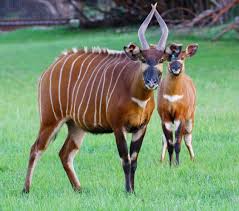
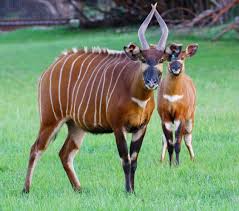
The mountain bongo (Tragelaphus eurycerus isaaci) is a critically endangered antelope species endemic to the dense montane forests of central Kenya. This striking animal is recognized for its distinctive physical features, including a reddish-brown coat with white stripes and large, twisted horns found in males. Females are smaller, typically hornless, and have a more muted color. Mountain bongos possess a robust body adapted for their forest habitat, enabling them to maneuver through thick vegetation.
In terms of behavior, mountain bongos are gregarious animals, usually found in small herds. Their social structure is matriarchal, led by an older female. Bongos are primarily crepuscular, exhibiting peak activity during dawn and dusk. They primarily feed on foliage, fruits, and flowers, which are abundant in their forest environment. This herbivorous diet plays a critical role in forest ecology, as they assist in seed dispersal and help maintain the balance of their habitat.
Current population estimates indicate a stark decline in mountain bongo numbers, with only around 100 individuals remaining in the wild, primarily concentrated in the Aberdare Mountains and Mount Kenya. Various factors contribute to their endangered status, including habitat loss due to deforestation, poaching, and human-wildlife conflict. Conservation efforts are urgently needed to address these issues, emphasizing habitat protection and anti-poaching measures to secure a stable environment for this unique species.
The mountain bongo exemplifies the delicate interplay of ecosystems and the challenges that come with conserving critically endangered species. As conservationists work to reintroduce mountain bongos to their native habitats, understanding their ecology and the threats they face remains essential for the success of ongoing preservation initiatives.
The Role of Mount Kenya Wildlife Conservancy
The Mount Kenya Wildlife Conservancy (MKWC) plays a critical role in the conservation of threatened wildlife species, particularly the mountain bongo. As an organization dedicated to wildlife preservation, MKWC is committed to creating an environment where endangered species can thrive, with a particular emphasis on the reintroduction and protection of the mountain bongo. The conservancy's mission is to foster sustainable practices that benefit both the local ecosystem and the surrounding communities.
Central to the strategy employed by MKWC is the rehabilitation of habitat, which is essential for the survival of the mountain bongo. The conservancy utilizes scientific research and innovative conservation methods to enhance the natural environment. By improving the habitat quality within the conservancy, they facilitate the necessary conditions for these animals to thrive. The MKWC's approach encourages biodiversity, not only aiding the bongo population but also benefiting various other species that share its ecosystem.
In addition to its direct conservation efforts, MKWC collaborates extensively with global conservation entities, sharing best practices and resources that ensure the successful reintroduction of the mountain bongo into their native habitats. These partnerships reflect the conservancy's commitment to conservation at a larger scale, fostering a network of support that extends beyond the boundaries of Mount Kenya.
The facilities available at MKWC support both animal rehabilitation and visitor education. They provide accommodation for various species undergoing rehabilitation, ensuring their safety and comfort. Furthermore, educational programs for visitors aim to raise awareness about the importance of conserving endangered species like the mountain bongo. This multifaceted approach strengthens the community's engagement with conservation efforts, illustrating how vital partnerships and innovative strategies are in preserving the natural beauty and biodiversity of Mount Kenya.
The Historic Transfer of Male Mountain Bongos from European Zoos
The reintroduction of mountain bongos to the Mount Kenya Wildlife Conservancy marked a significant milestone in conservation efforts, culminating in the recent transfer of four male specimens from various European zoos, notably facilitated by experts from Chester Zoo. This initiative is pivotal in promoting genetic diversity and bolstering the population of this endangered species in their native habitat.
The selection process for the mountain bongos, which are native to the forests of Kenya, was meticulously orchestrated. The criteria focused primarily on the health, genetic makeup, and environmental adaptability of the animals. Each bongo underwent rigorous health assessments to ensure that only the fittest individuals were chosen for rewilding. Genetic studies conducted by conservationists were critical in establishing the most suitable candidates, thereby laying the groundwork for a sustainable population in the wild.
The logistics involved in transporting these animals were complex and required extensive planning. The collaboration between Chester Zoo, the Kenya Wildlife Service, and the European Association of Zoos and Aquariums ensured a streamlined process, addressing all aspects from veterinary health checks to transportation logistics. The journey necessitated careful handling to minimize stress on the animals, alongside the provision of an environment that closely mimicked their natural habitats. Experts in animal welfare accompanied the bongos throughout the transfer, ensuring their safety and well-being.
This historic transfer not only underscores the effectiveness of international partnerships in conservation but also highlights the ongoing commitment to restoring mountain bongos to their rightful ecological niche. Through these collaborative efforts, the future of the mountain bongo can be reshaped, promoting biodiversity and ecotourism in the region.
Impact on Conservation and Future of the Mountain Bongo
The reintroduction of mountain bongos to their native habitat at Mount Kenya Wildlife Conservancy (MKW) marks a pivotal step in conservation efforts aimed at enhancing biodiversity and promoting sustainable wildlife populations. This initiative is expected to significantly impact the genetic diversity of the mountain bongo, which has been critically endangered due to habitat loss and poaching. By introducing individuals from diverse genetic backgrounds, MKWC aims to create a more resilient population capable of adapting to environmental changes.
With the successful reintroduction of mountain bongos, the population is anticipated to experience substantial growth as these animals adapt back to their natural habitat. The strategic placement of these bongos in designated conservation zones will facilitate their breeding in a protected environment, thereby boosting their numbers over time. Moreover, this program encourages ecological balance within the ecosystem, as mountain bongos play a critical role in maintaining the flora and fauna of their environment.
To ensure the sustainability of future mountain bongo populations, MKWC is focused on implementing ongoing conservation strategies. This includes habitat restoration initiatives and the continuous monitoring of the species' adaptation and survival rates. Additionally, educational programs aimed at local communities will foster awareness and support for these efforts, creating a collaborative environment for wildlife conservation. As the situation evolves, adaptive management strategies will also be employed to respond effectively to any emerging challenges.
Ultimately, the reintroduction of mountain bongos is not merely an isolated event but a vital component of a broader conservation strategy. By fostering genetic diversity, encouraging population growth, and implementing robust conservation measures, MKWC aspires to ensure that mountain bongos can thrive in the wild, preserving this iconic species for generations to come.